

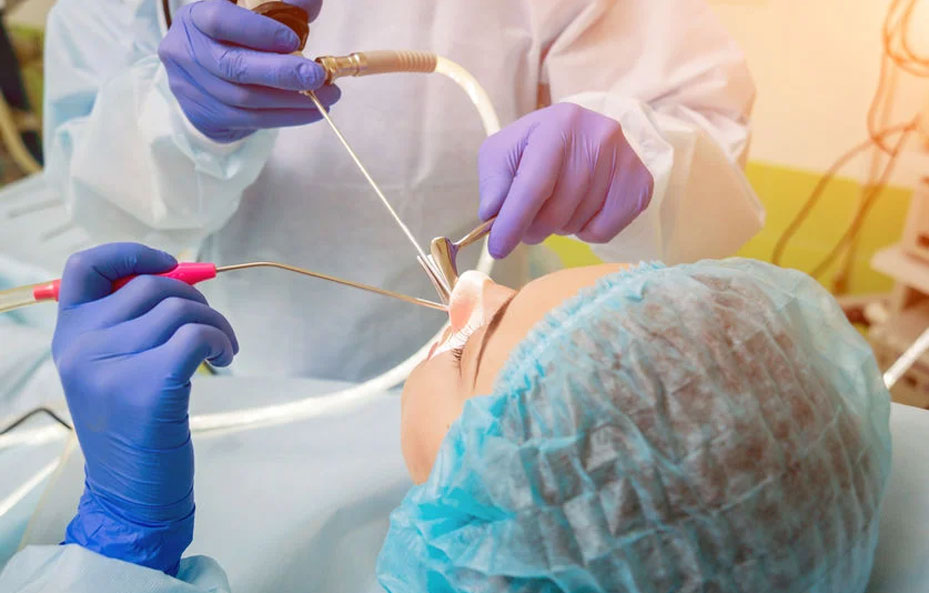
Sinus Surgery
FESS (Functional Endoscopic Sinus Surgery) is a modern, minimally invasive surgical technique used to open the sinus passages and restore normal breathing. This procedure is performed to eliminate chronic inflammation, obstruction, and other functional problems in the nose and paranasal sinuses. With FESS technology, the sinus channels inside the nose are precisely visualized using endoscopic imaging, and intervention is directed only at the affected tissues.
The purpose of FESS surgery:
- Treatment of chronic sinusitis, maxillary sinusitis, or other sinus diseases
- Relief of nasal obstruction, headaches, and recurrent infections
- Surgical treatment of sinus problems that do not respond to medication
- Normalization of sinus drainage and restoration of ventilation
The procedure and recovery process:
FESS is generally performed under general anesthesia through the nostrils. No external incisions or sutures are required. During the procedure, the sinus cavities are visualized with a thin endoscope; damaged or infected tissues are removed, and the sinus drainage pathways are widened.
The recovery process is usually mild. During the first 1–2 days after surgery, the patient may experience mild discomfort or discharge inside the nose. Full recovery occurs within several weeks. After surgery, special thin silicone materials may be placed in the nose to promote wound healing and prevent recurrent obstruction.
Results achieved with FESS:
- Relief from chronic nasal and sinus problems
- Reduced need for medication
- Significant improvement in sleep quality and day-to-day breathing function
- Internal clearance of the sinuses without affecting the aesthetic appearance
Why FESS?
FESS technology is less invasive than traditional sinus surgery, meaning it causes less trauma to the body. As a result, postoperative pain, bleeding, and swelling are minimal, and patients can return to their daily lives sooner.